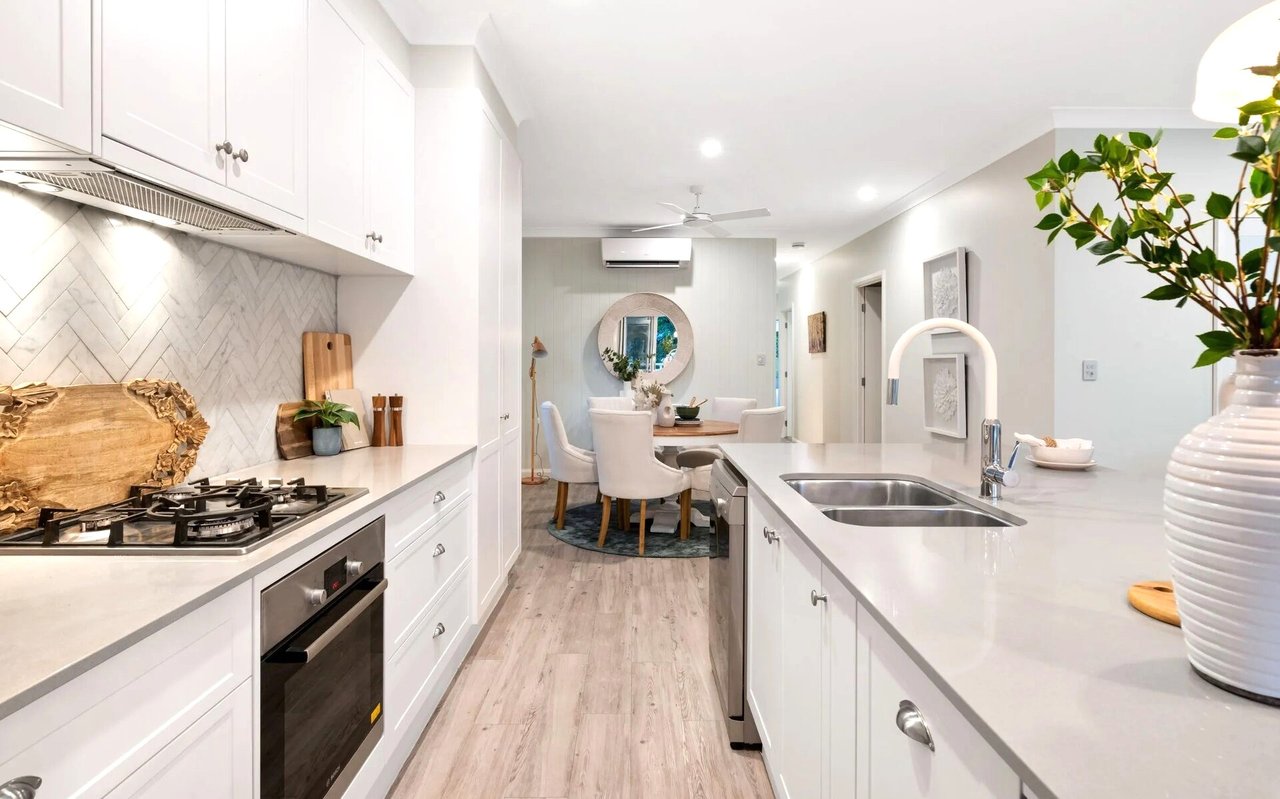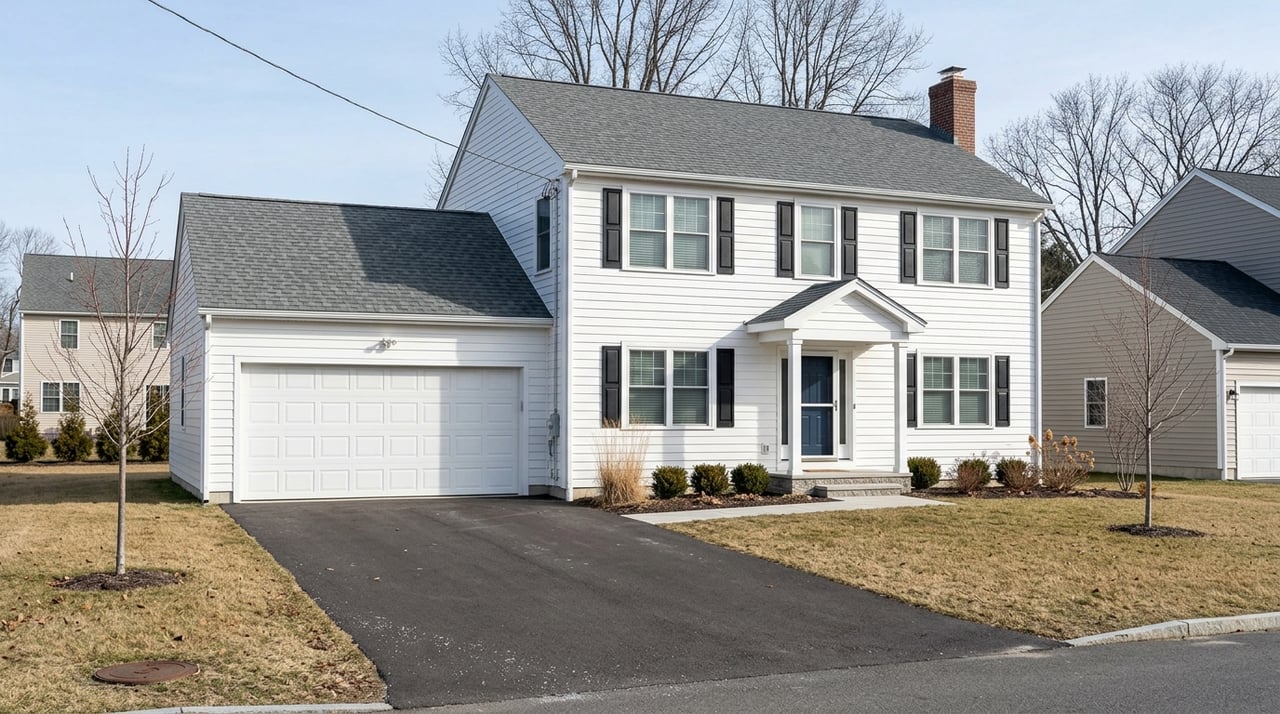
Thinking about buying a brand-new home in Hanover? New construction can feel exciting because everything is fresh, modern, and never lived in, but it also comes with a different timeline, different paperwork, and a few important details that buyers sometimes miss. If you want to know how Hanover permits, Massachusetts inspections, builder warranties, and contract terms can affect your move, you are in the right place. Let’s dive in.
Hanover permits affect timing
One of the biggest things to understand about new construction in Hanover is that the move-in timeline is tied to local approvals, not just the builder’s projected finish date. In Hanover, construction cannot begin until a building permit has been granted, and the Building Inspector must complete a final inspection before the home can be occupied.
Hanover’s zoning rules also require an occupancy permit before a building or structure can be used. That means even if a home looks complete, you still need the town’s final sign-off before move-in can happen. This is one reason closing dates on new construction can shift.
For some larger projects, the timeline may also include Planning Board site-plan review or a special permit. Hanover can also require a utility-capacity study during site-plan review, which adds another layer to the process for certain developments.
Town inspections are not buyer inspections
A common misunderstanding is that town inspections replace your own home inspection. They do not. Massachusetts building-code inspections are meant to confirm code compliance during construction, while a private home inspection is a separate step that helps you understand the condition of the property from a buyer’s perspective.
Under the state building code, inspections happen during construction at intervals needed to check compliance. The building official tells the permit holder which inspection points are required when the permit is issued, and those can include stages like footing, foundation, and framing.
Your private inspection serves a different purpose. Massachusetts describes a home inspection as a visual, limited-scope review of readily accessible parts of the home, such as the roof, attic, foundation, heating and cooling systems, plumbing, and electrical components.
New homes still need due diligence
It is easy to assume a new home comes with fewer risks than an older property. In some ways that may be true, but new construction still calls for careful review. A new build can have punch-list items, warranty limits, delayed completion dates, or contract terms that deserve close attention.
Massachusetts guidance notes that buyers typically hire a home inspector after an offer is signed but before the final purchase and sale agreement. The state also encourages buyers to attend the inspection if possible, which can help you better understand the home and ask questions in real time.
There is also an important update for Massachusetts buyers to know. For sales after October 15, 2025, sellers or agents must provide a separate written disclosure at or before the first purchase contract, and a sale cannot be conditioned on the buyer waiving an inspection. Buyers may still choose not to inspect, and there is a limited exemption for certain pre-completion sales of newly constructed homes when construction is not yet substantially complete and the seller offers a one-year written warranty covering systems and structural integrity.
Builder warranties have limits
Many buyers hear “builder warranty” and assume almost everything will be covered. In practice, warranty coverage is often narrower than expected. A builder warranty usually covers permanent parts of the home, while a home warranty is a separate service contract that costs extra and is more common with existing homes.
According to the research provided, many new-home warranties are limited to:
- One year for workmanship and materials on many components
- Two years for HVAC, plumbing, and electrical systems
- Sometimes 10 years for major structural defects
Just as important, warranties often exclude certain items. Appliances may not be covered, small cosmetic cracks may be excluded, and temporary housing costs during repairs are usually not included.
If you are comparing builders in Hanover, ask for the full written warranty and read it carefully. Pay attention to what is covered, how long coverage lasts, what is excluded, and what steps you must take to make a claim.
Builder research matters in Massachusetts
Before you commit to a new construction home, take time to vet the builder and the professionals involved. Massachusetts requires that one- and two-family homes be overseen by a licensed construction supervisor or a registered design professional. The state does not recognize out-of-state contractor licenses for this purpose.
State homeowner guidance also recommends checking references, verifying registration or licensing status, reviewing complaint history, and confirming proof of insurance. Those steps can give you a clearer picture of who you are hiring and how the project may be managed.
This matters in Hanover, where local permit and occupancy rules can directly affect your timeline. A builder with strong organization and local experience may be better prepared to keep the process moving and address issues before they become bigger delays.
Hanover utility readiness can affect progress
There is another local detail worth knowing. Hanover’s building bylaw says the Building Inspector may issue a building permit only after viewing the premises and confirming that water service and fire hydrants are in place and activated.
For buyers, this is a good reminder that utility readiness is not just a background construction issue. It can become part of the due-diligence conversation early, especially if you are buying into a developing area or a project that is still taking shape.
Budget beyond the base price
New construction pricing often looks straightforward at first glance, but the base price is only part of the story. Buyers should also plan for the builder deposit or earnest money, down payment, closing costs, inspection fees, and any optional home warranty or service contract they choose to purchase.
The research also notes that inspection fees and home warranties can appear in the closing disclosure when they are part of the transaction. That is why it helps to review updated cost estimates throughout the process instead of relying only on the first number you saw.
Insurance and utility costs can vary too. A newer home may have different building features and energy efficiency than an older Hanover colonial, which can change your monthly ownership costs in ways that are worth comparing before you decide.
Compare financing options carefully
If a builder suggests an affiliated lender, you are not required to use that lender. Buyers can still shop around and compare loan options. That can be especially helpful when rates, closing costs, and lender fees vary from one program to another.
As the purchase moves forward, keep updating your estimates for down payment and closing costs. New construction transactions can stretch over a longer period, and your financial picture may need to be revisited more than once before closing.
If your financing is FHA- or VA-backed, third-party warranties are required for newly built homes under those loan programs. That is another item to confirm early if you are planning to use one of those financing paths.
Specialty tests may still make sense
Even with new construction, some risks are not solved just because the home is new. Massachusetts says no area of the state is free of radon risk, and even new homes can test high. Testing is the only way to know.
The state also notes that separate specialty inspections or tests may be appropriate for issues such as radon, water quality, termites, mold, allergens, and lead paint. Those are separate from a standard home inspection and should be handled by qualified licensed professionals.
This can be especially useful when you are deciding between a newer home and an older Hanover resale. The right inspection strategy depends on the property, the site, and the questions you want answered before you close.
New construction vs. older Hanover homes
Many Hanover buyers weigh a new build against an older colonial. Each option offers a different set of tradeoffs. New construction may offer newer systems, updated layouts, and builder warranty coverage, while an existing home may offer a more established setting and a more immediate understanding of what you are buying.
The key is not assuming one choice is automatically easier. With new construction, you may face timeline shifts, warranty questions, and added contract complexity. With older homes, you may be focusing more on maintenance history and specialty testing.
Why local guidance helps
New construction involves more moving parts than many buyers expect. In Hanover, those moving parts can include permits, code inspections, occupancy approval, warranty language, financing decisions, and builder due diligence.
Having a local agent who understands Hanover and the broader South Shore can help you compare builders, track the timeline, review contract details, and spot extra costs early. That kind of hands-on guidance can make a big difference when the process feels less predictable than a typical resale purchase.
If you are considering new construction in Hanover, a clear plan can help you move forward with more confidence. The right support can help you ask better questions, avoid surprises, and stay focused on what matters most for your move. When you are ready for local, founder-led guidance, connect with Escalate Real Estate.
FAQs
What should buyers know about Hanover occupancy permits for new construction?
- In Hanover, a building or structure cannot be used until the town’s occupancy permit requirements are met, and the Building Inspector must complete the final inspection before occupancy.
What is the difference between a Hanover town inspection and a private home inspection?
- Town inspections check for building-code compliance during construction, while a private home inspection is a separate visual review for the buyer of accessible home components and is not a guarantee.
What does a builder warranty usually cover on a new home in Massachusetts?
- Many builder warranties cover workmanship and materials for one year, systems like HVAC, plumbing, and electrical for two years, and sometimes major structural defects for up to 10 years, but exclusions are common.
What extra costs should buyers budget for with new construction in Hanover?
- In addition to the base price, buyers may need to budget for a builder deposit or earnest money, down payment, closing costs, inspection fees, and any optional home warranty or service contract.
Should buyers test a newly built home in Hanover for radon?
- Yes. Massachusetts says no area of the state is free from radon risk, and even new homes can test high, so testing is the only way to know.
Can buyers use their own lender for a new construction purchase in Hanover?
- Yes. Buyers do not have to use a builder’s affiliated lender and can compare loan options to see what best fits their financing goals.