Wondering if you can buy in Quincy and have part of the property help pay the mortgage? In a market where home prices are high and rents are strong, living in one part of a property while renting out the rest can be a practical path to ownership. If you are considering a live-in landlord strategy in Quincy, understanding the local zoning, financing options, and landlord rules can help you make a smarter move. Let’s dive in.
Why Quincy stands out
Quincy is not a slow, bargain market. Recent market data shows a median sale price of $654,608, homes selling in about 21 days, and roughly 3 offers on average.
That matters if you want to house hack or buy a small multi-family. You may have a solid plan, but you still need to be preapproved, clear on your budget, and ready to act when the right property comes up.
Quincy also has meaningful rental demand. Average apartment rents are reported at $2,548 for a one-bedroom and $3,032 for a two-bedroom, which is why many buyers look at owner-occupied rental strategies here.
What live-in landlord means
A live-in landlord strategy usually means you buy a property as your primary residence and rent out part of it. In Quincy, that could take a few different forms depending on the property and zoning.
Common examples include:
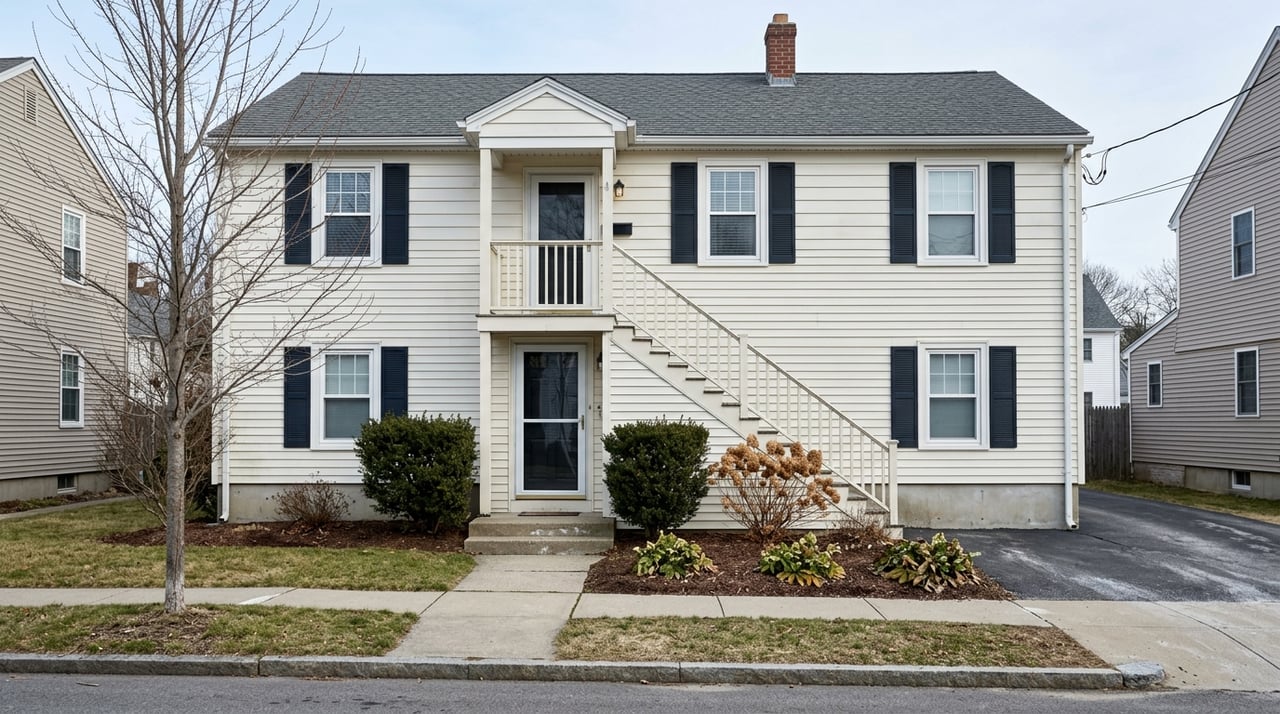
- Buying a two-family and living in one unit
- Buying a 3- or 4-unit property and occupying one unit
- Adding or using an accessory dwelling unit, also called an ADU
- Renting a portion of a property where local rules allow it
The right setup depends on your budget, your comfort level as a landlord, and what the property is legally allowed to be used for.
Know Quincy zoning first
Before you get too far into the numbers, zoning needs to come first. Quincy does not allow every property type in every district, so a strategy that works on one block may not work on the next.
The city zoning table allows two-family dwellings in RB, RC, BA, and BB districts. Multi-family dwellings are allowed by right in RC and BC, and by special permit in BA and BB.
Quincy also defines multi-family housing as a building with three or more residential dwelling units, or two or more buildings on the same lot with more than one unit in each building. That definition can affect how a property is reviewed, especially if you are comparing a classic two-family to a more complex layout.
Overlay district opportunities
Quincy also created the MBTA Community Multi-Family Overlay District in North Quincy and West Quincy. The district covers about 161 acres and is intended to allow multi-family housing as of right, with transit access and existing amenities in mind.
If your strategy depends on multiple units, this overlay may open up options that are not as straightforward in other locations. Even so, parcel-level review still matters.
ADUs can expand your options
If you are focused on a single-family home, an ADU may create a live-in landlord opportunity. In Massachusetts, effective February 2, 2025, ADUs are permitted by right statewide in single-family zoning districts.
State rules say an ADU can be up to 900 square feet or half the size of the principal dwelling. They may be created in a basement, attic, garage, addition, or detached cottage, subject to reasonable local rules.
Just as important, municipalities cannot require owner occupancy or a special permit for these by-right ADUs, and ADU occupants do not have to be related to the owner. For buyers in Quincy, that makes some single-family properties worth a closer look.
Do not assume short-term rental will work
Some buyers see short-term rental income as a backup plan. In Quincy, that is not something you should assume.
The city code says short-term residential rentals are prohibited in Residence A districts. In other areas, they must comply with applicable Department of Inspectional Services ordinances and orders.
That means a property that works for long-term rental may not work for short-term rental. If your budget depends on that income model, confirm the rules early.
Financing a live-in landlord purchase
One reason this strategy appeals to first-time buyers and small investors is that owner-occupied financing can be more accessible than many people think. Several common mortgage options may apply, depending on the property type and your qualifications.
FHA loans can go as low as 3.5% down and are available on 1- to 4-unit properties. Freddie Mac also offers financing for owner-occupied 2- to 4-unit primary residences and says rental income from the other units can be added to the borrower’s income for qualification.
Fannie Mae notes that many mortgage options require at least 3% down. It also encourages buyers to budget for both expected and unexpected ownership costs, which is especially important when you are taking on both homeowner and landlord responsibilities.
A rough Quincy budget example
Using Quincy’s recent median sale price of $654,608, a 3.5% FHA down payment would be about $22,911. That helps illustrate the entry point for some buyers, though your actual target price may be higher or lower depending on the property type.
For taxes, Quincy’s FY2026 residential tax rate is $11.78 per $1,000. If a home were assessed at a value similar to that median sale price, the rough monthly property tax would be about $643.
That tax example is only a proxy because assessed value and sale price do not always match. Still, it is a useful reminder that your monthly payment involves much more than principal and interest.
How rental income changes the math
The biggest appeal of a live-in landlord strategy is simple: rent can offset part of your monthly carrying cost. In a city where average rents are reported at $2,548 for a one-bedroom and $3,032 for a two-bedroom, even partial rental income can make a noticeable difference.
That does not guarantee positive cash flow. Your result depends on the property, your financing terms, taxes, insurance, maintenance, vacancy planning, and whether the layout actually supports strong rental demand.
Still, this is why so many Quincy buyers look at two-families, small multi-families, and ADU potential. The rent side of the equation can be meaningful.
Questions to answer before you buy
A live-in landlord strategy works best when you pressure-test the plan before making an offer. In Quincy, that usually means answering a few local and financial questions up front.
Ask yourself:
- Is the current use legal under the parcel’s zoning district?
- If you plan to add an ADU, does the lot and existing structure support it?
- If the property has multiple units, how will lender guidelines treat the expected rent?
- Does your monthly budget still work if rent is lower than expected?
- Are you prepared for repairs, turnover, and landlord compliance tasks?
- If you were thinking about short-term rental, is it actually allowed in that district?
These questions can help you avoid buying a property that looks good on paper but becomes harder to use in practice.
Landlord rules matter in Massachusetts
Buying the property is only one part of the plan. If you will be collecting rent, Massachusetts landlord rules deserve your attention from day one.
Security deposit rules are strict
Massachusetts limits a security deposit to no more than one month’s rent. A landlord must hold that deposit in a separate interest-bearing Massachusetts account.
The landlord must also provide a signed condition statement within 10 days of collecting the deposit and disclose the bank information within 30 days. The state warns that improper handling can cause a landlord to lose the right to keep the deposit and, in some cases, face triple damages.
Lead paint can be a major issue
Lead paint is another big consideration, especially in older housing. Massachusetts says the Lead Law requires removal or covering of lead paint hazards in homes built before 1978 where children under age 6 live.
That responsibility applies to rental property owners and owner-occupants. If you are considering an older Quincy property, this issue should be part of your due diligence.
Why local guidance matters
A live-in landlord purchase sits at the intersection of buying, renting, zoning, and compliance. In Quincy, the difference between a strong opportunity and a costly mistake can come down to district-specific zoning, overlay rules, ADU potential, and day-to-day landlord obligations.
That is where local, hands-on guidance can make a real difference. A property may look like a straightforward house hack online, but the details behind the address are what matter.
At Escalate, we work with buyers, landlords, and small investors across Quincy and Greater Boston with a practical, neighborhood-first approach. If you want help evaluating a two-family, a small multi-family, or a single-family with ADU potential, connect with Escalate Real Estate to talk through your options.
FAQs
What is a live-in landlord strategy in Quincy?
- It usually means you buy a Quincy property as your primary residence and rent out another unit or living area, such as a second apartment, a unit in a multi-family, or an ADU where allowed.
Can you buy a two-family in Quincy and live in one unit?
- Yes, but it depends on the zoning district. Quincy allows two-family dwellings in RB, RC, BA, and BB districts, so the specific parcel needs to be reviewed.
Can a single-family home in Quincy become a rental property with an ADU?
- In many cases, yes. Massachusetts allows ADUs by right in single-family zoning districts as of February 2, 2025, subject to reasonable local rules.
Can rental income help you qualify for a Quincy multi-family mortgage?
- It may. Freddie Mac says rental income from non-owner units in a 2- to 4-unit primary residence can be added to borrower income for qualification, depending on lender guidelines.
Are short-term rentals allowed everywhere in Quincy?
- No. Quincy says short-term residential rentals are prohibited in Residence A districts, and in other areas they must comply with Department of Inspectional Services requirements.
What should Quincy buyers know about Massachusetts security deposits?
- Massachusetts limits the security deposit to one month’s rent and requires specific handling, including a separate interest-bearing Massachusetts account, a condition statement, and bank disclosure deadlines.
Does lead paint matter when buying a Quincy rental property?
- Yes. In homes built before 1978 where children under 6 live, Massachusetts Lead Law requires lead paint hazards to be removed or covered, and that responsibility can apply to rental owners and owner-occupants.