Trying to choose between Hingham and Hanover for your South Shore move? You’re not alone. Both towns offer strong schools, a tight civic fabric, and access to Boston, but day-to-day life, commute options, and housing stock feel different. In this guide, you’ll learn how each town lives, what you tend to get for your budget, how commutes and schools compare, and a simple checklist to make a confident choice. Let’s dive in.
Quick snapshot: Hingham vs. Hanover
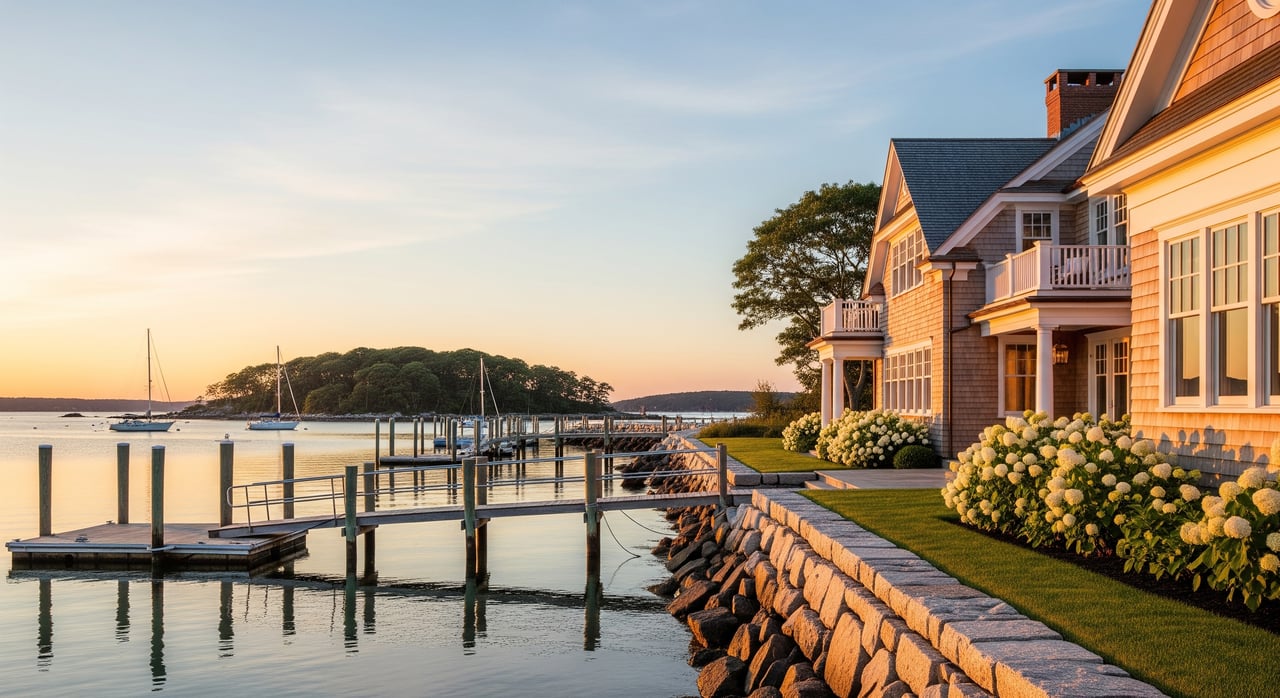
- Hingham skews coastal and historic with village centers, marina culture, and pockets of walkable dining and shopping. Expect a premium for waterfront and amenity access.
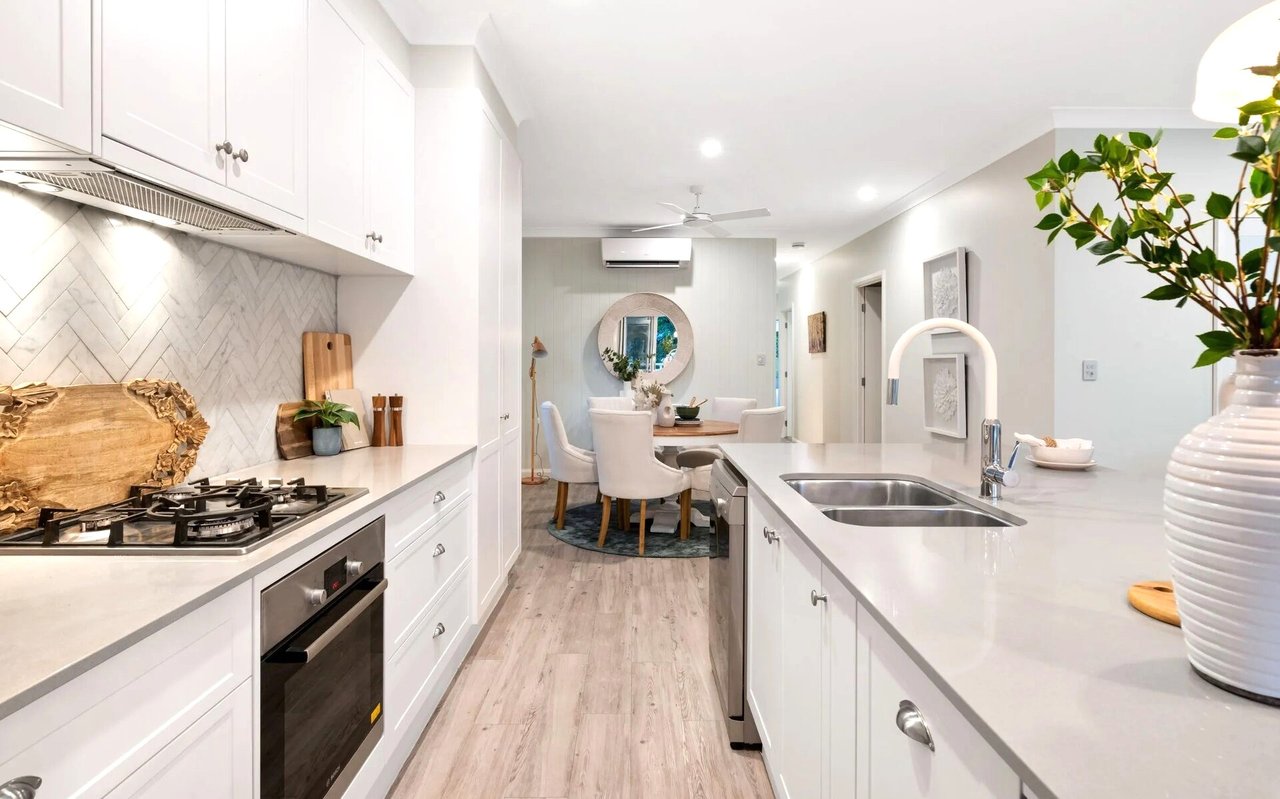
- Hanover leans suburban and inland with many newer subdivisions, larger lots, and a quieter, car-oriented feel. You often get more space for the price.
- Both offer well-regarded public schools, active youth programs, and strong community life. Differences are relative and vary by neighborhood.
Housing and neighborhoods
Hingham housing at a glance
Hingham’s housing spans centuries. You’ll see 18th and 19th century homes near village centers, early and mid-20th century neighborhoods, and contemporary luxury homes along the coastline. Condos and townhouses cluster near the shipyard and downtown, while high-value properties line the harbor and marina areas. Parts of Hingham Center and the Derby Street area feel more walkable, with boutique retail and restaurants.
Hanover housing at a glance
Hanover is primarily suburban single-family. Many homes date from the 1950s through the 2000s, with several newer subdivisions on larger lots. The town has fewer historic cores and no waterfront zones, so neighborhoods are more consistently car-oriented. Inventory often includes starter and mid-level detached homes at price points that compare favorably to coastal towns.
Price patterns and market pace
Hingham’s median sale price and price per square foot are typically higher than Hanover’s due to waterfront, historic character, and amenity premiums. Hanover generally offers lower entry points and a steadier flow of single-family options. In both towns, expect competitive conditions for homes near schools, village centers, or in prized cul-de-sacs and newer constructions. To get current numbers, review recent MLS reports, local broker market snapshots, and town assessor sales data.
Taxes and costs to compare
Look beyond the tax rate alone. Your annual bill depends on the rate and the assessed value of the specific property. Ask each town’s assessor for sample bills on comparable homes to estimate real costs. Factor in recurring expenses like HOA fees in condo communities and utilities such as public water and sewer versus private well and septic. In coastal Hingham, confirm flood zones and explore insurance needs for waterfront or near-shore properties before you make an offer.
Schools and family resources
Hingham Public Schools
Hingham operates a multi-school district with elementary, middle, and Hingham High School. The system is historically well regarded at the state level, with strong community support for academics, arts, and athletics. Review Massachusetts DESE profiles for current MCAS results, student-teacher ratios, and program details relevant to your child’s grade.
Hanover Public Schools
Hanover runs a townwide district with elementary, middle, and Hanover High School. It is also generally well regarded and locally competitive, drawing families for its programming and engagement. Compare DESE school profiles, AP and advanced course offerings at the high school, and any specialized services you value.
How to evaluate schools
- Check DESE school profiles for enrollment, proficiency, growth metrics, and absenteeism trends.
- Confirm feeder patterns to know which elementary or middle school a given address serves.
- Visit schools and speak with administrators to understand programs, extracurriculars, and support services.
Childcare and enrichment
Both towns offer childcare centers, preschools, and nearby private school options across the South Shore and Greater Boston. Capacity and waitlists vary by provider. If early education matters for your timeline, start outreach early and ask about availability by age group.
Recreation and youth services
Hingham offers direct access to waterfront recreation, including boating, sailing instruction, and nearby beaches, along with fields, leagues, and town programs. Hanover features robust youth sports, well-maintained fields, and ample conservation land and trails for hiking and biking. Either way, you have options for year-round activities.
Commute and transit
Road access
Both towns are car-forward for daily life. Route 3 serves as the main corridor to Boston and south toward Plymouth and Cape Cod connections. Hingham’s coastal Route 3A and shore-parallel roads can experience seasonal and peak-period congestion. Hanover’s interior network often funnels commuters to Route 3 northbound.
Public transit options
Hingham has a notable advantage for some commuters: direct ferry service from the Hingham Shipyard area to Boston’s Rowes Wharf. Schedules and seasonality can change, so confirm details with the MBTA or the current ferry operator. Some Hingham neighborhoods also have bus or shuttle access to nearby commuter rail or bus hubs. Hanover does not have a ferry; the closest MBTA commuter rail stations are in adjacent towns, so plan for a drive-and-park routine.
Local mobility and walkability
If walkability matters, parts of Hingham Center, downtown, and the shipyard area offer more shops and dining within a short stroll. Hanover’s neighborhoods are typically car-dependent, though conservation trails and local parks add outdoor access. In both towns, biking and trail networks vary by neighborhood.
Lifestyle and amenities
Retail and dining
Hingham supports a concentrated downtown scene with boutiques and restaurants, plus the Derby Street area and shipyard district for more retail options. Hanover features local shops with access to regional shopping nearby. Restaurant and service diversity is higher in Hingham’s village cores.
Parks and open space
Both towns invest in conservation land, town fields, and recreation facilities. Hingham adds beaches, marinas, and coastal parks to the mix, which can shape your weekend routine if you enjoy time on the water.
Cultural life and events
Hingham’s harbor and historic districts host seasonal events and community gatherings. Hanover’s calendar often flows through schools, recreation programs, and town-wide activities. Either choice offers ways to plug into a local community.
Which town fits your priorities?
- Priority: Waterfront access, walkable dining and shops, and a coastal lifestyle. Hingham fits better.
- Priority: More house and yard for the budget, newer subdivisions, and quieter streets. Hanover fits better.
- Priority: Well-regarded public schools and extracurriculars. Both towns are strong; compare programs by grade.
- Priority: Lower total property tax bill. Estimate taxes using current rates and assessed values for specific homes.
- Priority: Resale in the Boston market. Both towns are desirable; coastal Hingham often carries a premium, while Hanover’s relative affordability draws consistent demand from families.
Buyer checklist and next steps
- Compare recent neighborhood sales from the last 6 to 12 months to understand price and pace.
- Ask about current inventory and average days on market for your target home type.
- Confirm school feeder patterns for any address on your shortlist.
- If coastal or near-coastal in Hingham, verify flood zone status, elevation, mitigation work, and recent insurance premiums.
- Request sample property tax bills for comparable homes from each town’s assessor.
- Estimate your peak-hour commute time using door-to-desk tests and confirm ferry or rail schedules and parking.
- Review HOA or condo fees, water and sewer setup, and typical utility costs.
- Ask about planned developments, zoning updates, or road projects that could affect traffic or amenities.
- Discuss offer strategy with your agent, including timing and contingencies for competitive pockets.
How Escalate Real Estate can help
You do not have to make this decision in a vacuum. Our founder-led, neighborhood-rooted team lives and works on the South Shore, with hands-on guidance for buyers who want clarity on schools, commutes, housing stock, and costs. We help you compare real homes, run true tax and insurance estimates, and test commutes before you commit. If you are weighing Hingham against Hanover, we will tailor showings to the pockets that fit your budget and lifestyle.
Ready to narrow your search with a local guide? Reach out to Escalate Real Estate for a focused plan, on-the-ground insight, and a smart path to your next home.
FAQs
What are the biggest differences between Hingham and Hanover?
- Hingham offers coastal living with walkable village areas and higher price points, while Hanover is inland, more suburban, and often provides more space for the money.
How do public schools compare in Hingham vs. Hanover?
- Both districts are well regarded; compare Massachusetts DESE profiles for each school’s enrollment, MCAS performance, growth, and programs that align with your child’s needs.
What is the commute to Boston like from each town?
- Both rely on Route 3 for driving; Hingham also has a ferry to Rowes Wharf that can be a time-saver for some, while Hanover commuters typically drive to nearby commuter rail stations.
Are property taxes generally higher in Hingham or Hanover?
- It depends on the assessed value of the home and the tax rate; estimate actual bills using current town rates and sample assessor bills for comparable properties.
Does Hingham’s ferry run year-round and is it reliable?
- Ferry schedules and service can change by season and MBTA planning; always confirm current timetables and service alerts before relying on the route for your daily commute.
What home types are most common in each town?
- Hingham has a mix of historic homes, mid-century neighborhoods, and higher-end waterfront and condo options; Hanover skews to single-family homes from the 1950s to 2000s with newer subdivisions on larger lots.