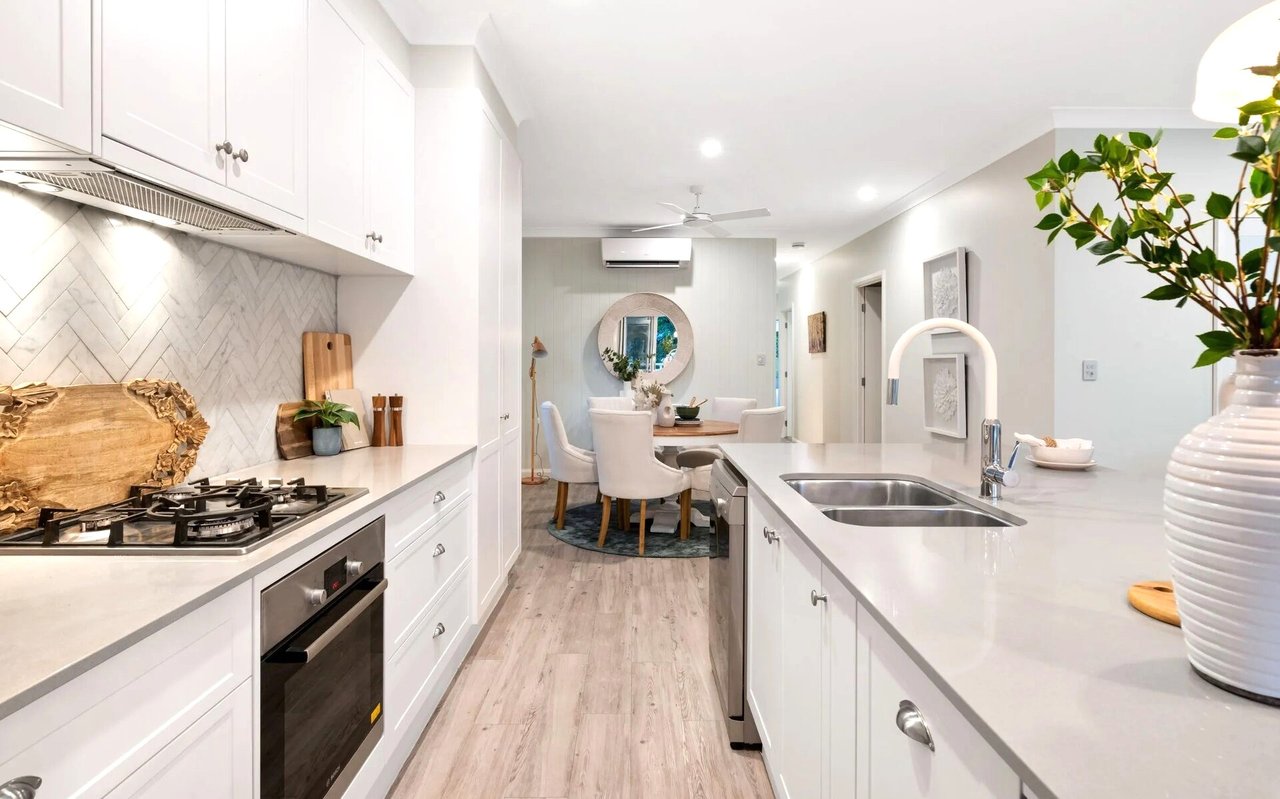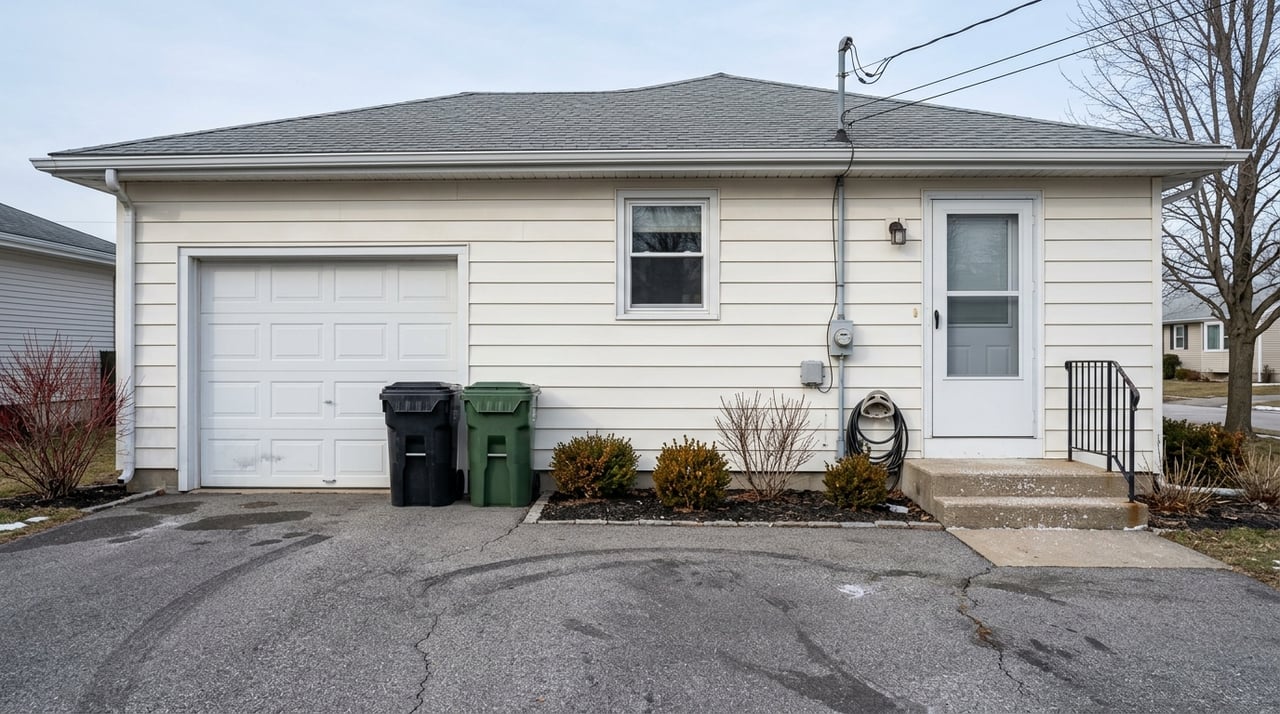
Wondering what day-to-day life actually feels like after you buy a home in Rockland? That question matters just as much as price, square footage, and closing dates. If you are considering a move to this South Shore town, it helps to understand the rhythm of errands, commuting, yard work, and local amenities before you commit. Here is a practical look at what new homeowners can expect in Rockland, and why it appeals to many buyers looking for manageable suburban living. Let’s dive in.
Rockland at a Glance
Rockland is a compact South Shore town about 20 miles south of Boston and just under 6 miles from Brockton. Key road connections include Routes 3, 123, and 139, which shape a lot of how residents get around for work, errands, and regional travel.
Town planning documents describe Rockland as a mature New England town with a mixed-use center and compact neighborhoods. At the same time, a large share of the land area is devoted to agriculture, forest, recreation, and open space, with 23% of total land area permanently protected open space. That mix gives you a town setting that feels established and practical, without feeling overly dense.
Homeownership in Rockland
For many buyers, Rockland stands out because it appears more affordable than Massachusetts overall on both ownership and rental measures. In the 2019 to 2023 Census QuickFacts release, Rockland had a median owner-occupied home value of $452,300, compared with $525,800 statewide.
That same release shows Rockland with a 78.1% owner-occupied housing rate, higher than the Massachusetts rate of 62.6%. In simple terms, homeownership is a major part of the town’s housing pattern, which can shape the feel of daily life.
Most homes in Rockland are single-family properties. The town’s housing plan also notes that non-single-family housing makes up 35% of the housing stock, and much of that is in smaller buildings with nine units or fewer. If you are moving from apartment living, that often means adjusting to more hands-on routines like yard care, driveway upkeep, and ongoing house maintenance.
Daily Errands Stay Close to Home
One of Rockland’s practical strengths is that many everyday needs can be handled in town. The Union Street Corridor includes about 68 storefronts, along with restaurants, banks, salons, convenience stores, apartments, and town offices.
That matters when you settle into a new home. Instead of planning every errand around a trip to a larger commercial hub, you may be able to take care of basics locally and keep your routine simpler.
The Rockland Memorial Library is another useful part of everyday life. Located at 20 Belmont Street, it offers evening hours until 8 p.m. Monday through Wednesday and is open until 5 p.m. Thursday through Saturday. For many homeowners, that adds one more reliable public resource close to home.
Utilities and Homeowner Basics
New homeowners often focus on the purchase itself, but the real adjustment starts after move-in. In Rockland, water service is supplied by the Abington/Rockland Joint Water Works, and sewer service is managed by the Sewer Commission.
Those may not be the most exciting parts of homeownership, but they are part of your regular homeowner checklist. Knowing who handles these services can make the transition into your new house a little smoother.
Waste and recycling are also part of the normal routine. Rockland says trash is collected weekly and recycling every two weeks, with recycling required. Residents can also use the Recycling Center at 1000 Beech Street for single-stream recycling, yard waste drop-off at the Brush Pile, and periodic hazardous-waste events.
If you are buying a single-family home, that schedule becomes part of your weekly rhythm. It is a small detail, but it tells you a lot about the kind of practical, maintenance-aware lifestyle many Rockland homeowners live.
Commuting From Rockland
Rockland works well for many buyers who want South Shore living with access to nearby job centers. The town does not have direct commuter rail service, so most residents still rely on driving for daily travel.
That said, nearby Abington and South Weymouth offer commuter rail access just outside town. This setup can be a good fit if you want suburban homeownership but still need options for trips toward Boston or surrounding communities.
The 2019 to 2023 Census QuickFacts release lists Rockland’s mean travel time to work at 29.8 minutes. That points to a suburban commuting pattern rather than a walk-to-work environment.
Rockland also has an on-demand transit option through BAT Flex Rockland. The service covers any address in Rockland and connects riders to the Abington MBTA train station, as well as destinations like Target, Stop & Shop, Walmart, and Signature Healthcare Brockton Hospital.
BAT Flex runs seven days a week from 7:30 a.m. to 6:30 p.m. and costs $1.50 per ride. For some households, that can be a useful backup when you do not want to drive for every errand or appointment.
Parks, Trails, and Outdoor Time
Everyday life in Rockland is not just about commuting and house chores. The town’s open-space plan identifies five town parks totaling 75 acres, including Hartsuff Park, Major Reed Park, Bicentennial Park, and Memorial Park.
The Hanover Branch Rail Trail is another part of local life, with walking and biking use by residents of all ages. Town planning documents note that Rockland has pursued improvements to sections of the trail, which shows ongoing attention to outdoor recreation.
If you are buying a home with a yard, these public spaces can complement your own outdoor setup. You may have room at home for everyday use, but parks and trails still give you options to change up your routine and spend time outside.
Recreation Programs Add Convenience
Rockland Recreation offers a broad set of programs that support year-round daily life. Current offerings include youth sports, adult sports and fitness, arts programs, a teen center, preschool enrichment, vacation programs, and the Hartsuff Park Summer Program.
For busy households, convenience matters just as much as variety. Recent town announcements say residents can register and reserve facilities online, which makes it easier to fit local programming into a packed schedule.
That kind of access can make a difference after a move. When you are trying to build routines in a new town, simple systems and familiar local options help daily life feel settled more quickly.
What New Homeowners Should Expect
For many buyers, Rockland offers a lifestyle that feels balanced and manageable. You are not moving into a highly urban setting where everything is within a few blocks, but you are also not isolated from services and amenities.
Instead, Rockland offers a practical middle ground. Housing costs appear lower than the state average, many errands can stay local, and regional access is workable through roads, nearby rail stations, and BAT Flex.
If you are a first-time buyer, move-up buyer, or budget-conscious shopper, that combination may be the real draw. Rockland supports the routines that matter most after closing: getting to work, managing a home, handling errands, and finding ways to enjoy your free time close to home.
When you look past the listing photos, that is often what makes a town feel like the right fit. In Rockland, everyday life tends to be grounded in practical homeownership, local convenience, and a steady suburban pace.
If you are exploring homes on the South Shore and want guidance rooted in real neighborhood knowledge, Escalate Real Estate is here to help you make a confident move.
FAQs
What is everyday life like for new homeowners in Rockland?
- Everyday life in Rockland often centers on single-family home routines, local errands, driving-based commuting, weekly trash pickup, required recycling, and access to parks, trails, and recreation programs.
Is Rockland more affordable than other parts of Massachusetts?
- Based on 2019 to 2023 Census QuickFacts data, Rockland appears more affordable than the Massachusetts average in both median owner-occupied home value and median gross rent.
How do Rockland residents usually commute?
- Most residents rely on driving, though nearby Abington and South Weymouth offer commuter rail access, and BAT Flex provides on-demand transit within Rockland and to several regional destinations.
What kinds of homes are common in Rockland?
- Rockland’s housing stock is mostly single-family homes, while non-single-family housing makes up 35% of the stock and is often found in smaller buildings.
What local amenities do new homeowners in Rockland use most often?
- Many homeowners use the Union Street Corridor for errands, the Rockland Memorial Library for public resources, the Recycling Center for waste and recycling needs, and local parks and recreation programs for outdoor time and activities.