Thinking about buying a historic home in Milton? You are not alone. Milton’s older homes offer character you cannot fake, from early Federal details to bold Queen Anne and Greek Revival elements, but they also come with questions about condition, upkeep, and renovation rules. If you want the charm without the surprises, this guide will help you understand what to look for, what to ask, and how to plan your next steps with confidence. Let’s dive in.
Why Milton attracts historic-home buyers
Milton has deep architectural roots. Incorporated in 1662, the town still includes 19th-century country houses, early workers’ housing, and even historic fieldstone boundary walls. That long history gives buyers a chance to find homes with real architectural presence, not just age.
One of the biggest draws is variety. In Milton, you may see Colonial, Federal, Queen Anne, Romanesque Revival, Georgian Revival, Greek Revival, and Stick-style buildings, sometimes within a short distance of each other. That means your search can include very different kinds of homes, even if you are focusing on one town.
Milton also has multiple historic districts and district areas, including Brush Hill, Milton Centre, Milton Hill, First Parish, Railway Village, and Scott’s Woods. Each area can have its own character, and the rules affecting a property may differ depending on where the home sits.
Old home vs. protected home
This is one of the first questions you should answer before making an offer. A home can be old without being formally protected, and a home can also be located in an area where exterior changes are subject to review.
In Milton, status can vary from an inventoried historic property to a home within a formally designated local historic district. You should not assume every older house has the same restrictions, or that every historic-looking home is regulated in the same way.
A smart first step is to confirm whether the property is in a local historic district and whether it appears in local or state historic records. Milton’s historic district materials and survey records can help clarify that status before you start planning repairs or upgrades.
What historic homes in Milton often look like
Part of the appeal of buying a historic home is the character you can see and feel right away. In Milton Village and Lower Mills, documented styles include Colonial, Federal, Queen Anne, Romanesque Revival, and Georgian Revival buildings. In Milton Hill, the Forbes House reflects Greek Revival design, while Milton Centre includes examples like an 1877 Stick-style house and a Beaux-Arts library nearby.
For you as a buyer, that variety matters. Different styles often come with different materials, rooflines, window types, porches, trim details, and maintenance needs. A brick or stone feature that looks beautiful in listing photos may also require specialized repair methods later on.
Start with moisture and drainage
When you buy an older home, moisture should move to the top of your checklist. Preservation guidance identifies uncontrolled moisture as the most common cause of deterioration in older and historic buildings.
That means you should pay close attention to the roof, gutters, flashing, grading, basement conditions, and ventilation. Water stains, rot, peeling finishes, musty smells, and repeated patch repairs can all point to a bigger issue that deserves a closer look.
This is especially important in a historic home because cosmetic updates can hide long-term water problems. Before you get excited about paint colors or kitchen plans, make sure the house is managing water well.
Moisture red flags to watch for
- Sagging or patched roof areas
- Overflowing or poorly pitched gutters
- Water pooling near the foundation
- Damp basement walls or floors
- Rot around windows, trim, or porch elements
- Staining on ceilings or around chimneys
- Heavy caulking or repeated repair patches in the same area
Masonry needs careful attention
Historic masonry can last a very long time, but only when it is maintained properly. In Milton, that may affect foundations, chimneys, stoops, retaining walls, and old brick or stone boundary features.
The key issue is compatibility. Preservation guidance recommends repair methods that preserve historic features and use mortar that matches the original in strength, composition, color, and texture. Improper repointing or harsh cleaning can do lasting damage.
If a home has visible cracking, loose bricks, crumbling mortar, leaning chimneys, or signs of patchwork, it may be worth bringing in a masonry or chimney specialist after the general inspection. That extra step can help you understand whether the issue is cosmetic, structural, or moisture-related.
Original windows may be worth keeping
Many buyers assume old windows must be replaced right away. In historic homes, that is not always the best move. Preservation guidance notes that historic wood windows can often outlast replacements when they are properly maintained, and repair should usually be considered before replacement.
That does not mean every old window is in good condition. It means you should look beyond drafts alone and ask better questions. Are the sashes operating? Is there rot? Has the glazing failed? Are storm windows helping? Has water infiltration caused damage around the frame?
If the house is in a local historic district, changes to exterior features visible from a public way may be subject to review. That can include window work, depending on the property and the scope of the project.
HVAC updates need a plan
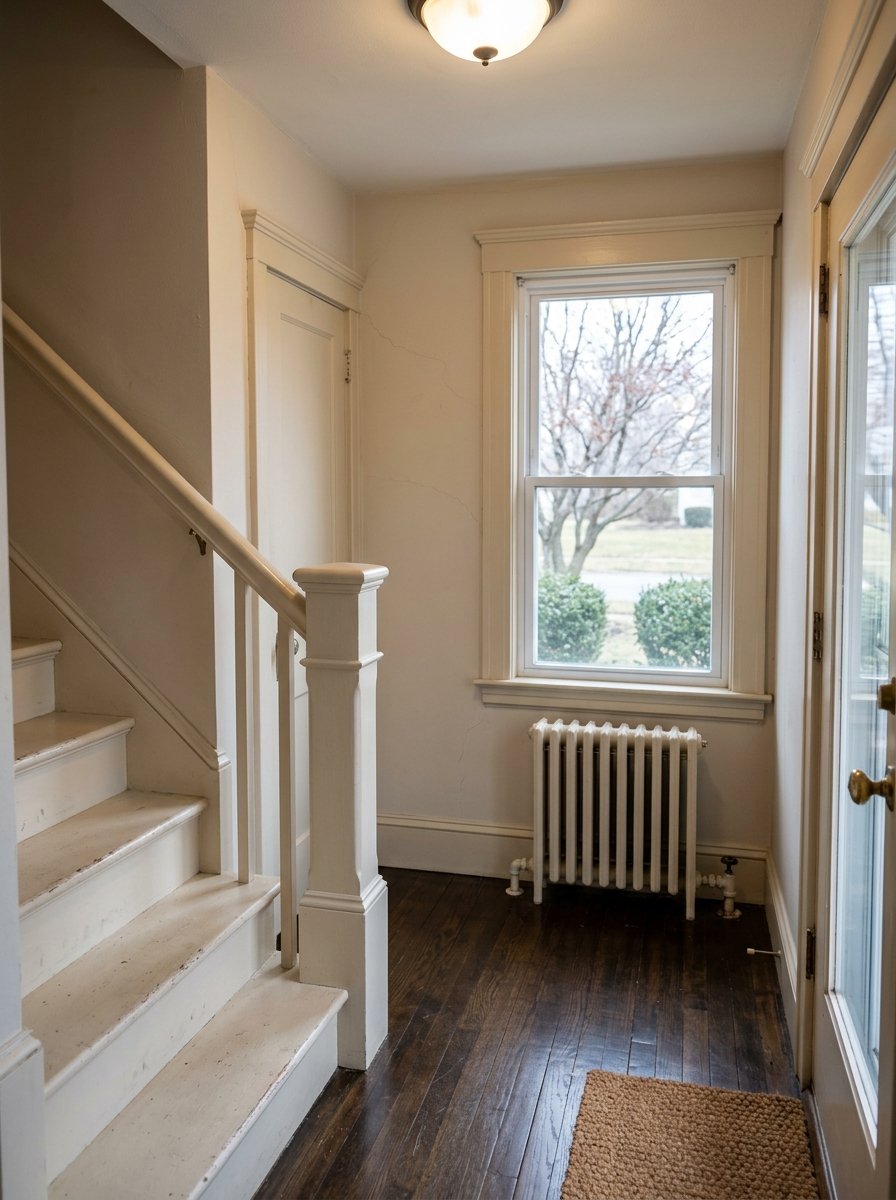
Older homes often have heating and cooling systems that evolved over time. You may find radiators in one area, newer ductwork in another, and patchwork upgrades that were added long after the home was built.
Preservation guidance warns that poorly planned HVAC work can remove historic materials or create moisture problems. If a home inspection reveals ad hoc changes, drafty rooms, or aging equipment, it may be worth getting follow-up input before closing.
The goal is not just modern comfort. It is making sure any future upgrades work with the home instead of creating new issues behind walls, in attics, or around windows and trim.
Lead should be part of your due diligence
If the home was built before 1978, you should assume lead may be present until testing shows otherwise. Massachusetts requires notification to buyers and tenants about lead risks in pre-1978 housing, and federal disclosure rules also apply to most homes from that era.
This is not a reason to walk away automatically. It is a reason to be informed. If you expect to sand, scrape, replace windows, or disturb painted surfaces after closing, you should plan for lead-safe practices from the start.
If children under 6 will live in the home, Massachusetts law has additional lead hazard requirements. That makes early planning especially important if you are buying an older property with renovation in mind.
Your inspection rights matter in Massachusetts
Buying a historic home can feel competitive, but you still need solid information. In Massachusetts, sellers and agents generally cannot require a home-inspection waiver as a condition of acceptance in most residential sales, and inspections must be completed by a licensed home inspector.
That protection matters even more with older homes. A general home inspection is usually the starting point, not the finish line. Depending on what the inspector finds, you may also benefit from a preservation-aware contractor, a masonry or chimney specialist, or a lead-safe professional.
A careful inspection process helps you understand the real condition of the home, the likely maintenance priorities, and which projects should come first after closing.
Renovation rules to know before you buy
If you are already picturing new siding, replacement windows, or a reworked front entry, pause before pricing the project. In a local historic district, exterior architectural features visible from a public street, public way, public park, or public body of water may be subject to review under Massachusetts law.
Milton notes that local bylaws commonly exclude some items from review, including paint color, storm windows and doors, and window air-conditioning units. Still, exclusions can vary, so it is important to confirm the rules for the specific property.
The permit process also matters. In Massachusetts historic districts, a required certificate must be issued by the commission before a building permit for construction or exterior alteration, or a demolition permit, can be issued. In practical terms, you should involve the historic commission early, before final drawings and contractor pricing are locked in.
Changes that may need closer review
- Window replacement visible from a public way
- Siding replacement or exterior cladding changes
- Porch or entry modifications
- Chimney removal or major rebuilding
- Additions or exterior expansions
- Demolition or substantial exterior alteration
How to plan smart after closing
Historic homes usually reward a measured approach. Instead of trying to do everything at once, focus first on the issues that protect the building itself.
A good order of operations often looks like this:
- Address roof, drainage, and moisture control
- Stabilize masonry, chimneys, and foundation concerns
- Evaluate windows and exterior wood repair needs
- Review HVAC performance and compatibility
- Plan cosmetic work after the building envelope is secure
This approach helps you avoid spending on finishes before solving the problems that can damage them. It also aligns with preservation-minded guidance that favors retaining and repairing historic fabric when feasible.
A practical team for a Milton historic home
You do not need to know everything before you buy, but you do need the right people around you. For many buyers, the best team starts with a licensed home inspector and expands based on the home’s age, condition, and planned work.
Depending on the property, your team may include:
- A licensed home inspector
- A preservation-aware contractor
- A masonry or chimney specialist
- A lead-safe professional for pre-1978 homes or paint disturbance
With the right guidance, a historic home becomes much more manageable. You can move from broad concerns to a clear plan, one step at a time.
Buying a historic home in Milton can be incredibly rewarding. You get architectural character, a tangible connection to the town’s history, and a home that often stands apart from newer inventory. The key is to pair that excitement with careful due diligence, realistic planning, and local guidance that helps you understand both the house and the rules that may affect it.
If you are considering a historic home in Milton and want a steady, local perspective on what to look for before you buy, connect with Escalate Real Estate. We are here to help you make a confident move.
FAQs
How can you tell if a historic home in Milton is formally protected?
- Check whether the property is located in one of Milton’s local historic districts and review available survey or inventory records through the town’s historic district resources and related historic records.
What issues are most common when buying an older home in Milton?
- The most common issues to evaluate are moisture and drainage, masonry condition, aging windows, HVAC compatibility, and possible lead in pre-1978 housing.
Can you replace original windows in a Milton historic home?
- Maybe, but repair is often preferred first, and if the home is in a local historic district, exterior window changes visible from a public way may require review.
What should you inspect first in a Milton historic house?
- Start with a licensed home inspection, with special attention to the roof, gutters, grading, basement moisture, masonry, windows, and any signs of older patchwork repairs.
Do historic-home buyers in Massachusetts have a right to a home inspection?
- Yes, Massachusetts guidance says sellers and agents generally cannot require a home-inspection waiver as a condition of acceptance in most residential sales, and the inspection must be done by a licensed home inspector.
What renovations may trigger review for a historic home in Milton?
- Exterior changes visible from a public street, public way, public park, or public body of water may require review if the property is in a local historic district, so confirm the property’s status before planning work.